 Research Use Only — documentation confirmed by inquiry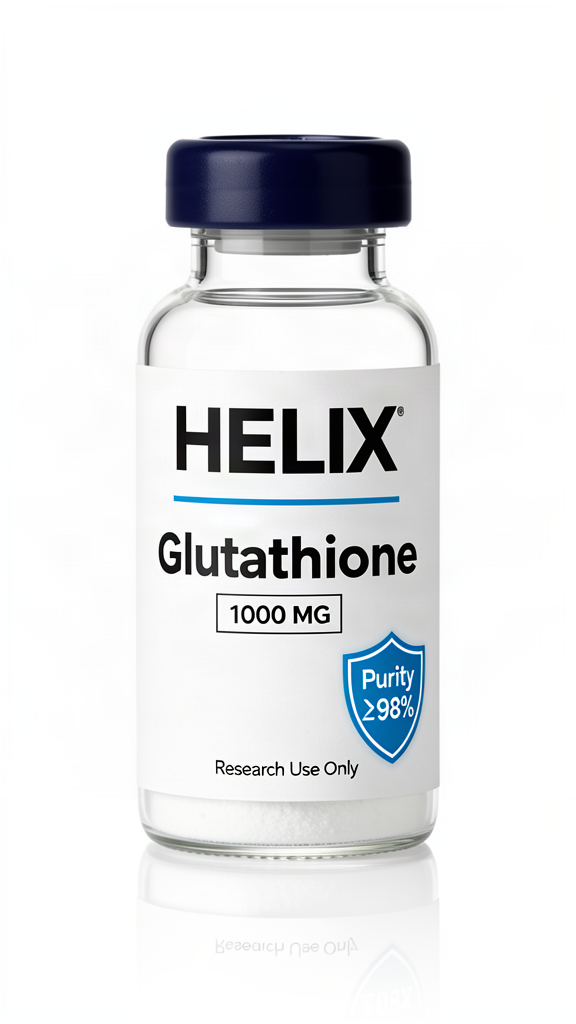
Glutathione
| Units | Discount |
|---|---|
| 1–2 | 0% |
| 3–4 | 10% |
| 5–6 | 15% |
| 7–9 | 20% |
| 10–+ | 30% |
Glutathione, reduced (GSH; gamma-glutamyl-cysteinyl-glycine tripeptide) · ≥98% (HPLC)
Glutathione (reduced, GSH) is a characterized tripeptide-thiol reference material supplied for in-vitro studies of cellular redox-buffering pathways. Research Use Only.
More in Mitochondrial & energy
MOTS-c
Per-unit pricing · volume discounts at 3+ units · inquire for current availability
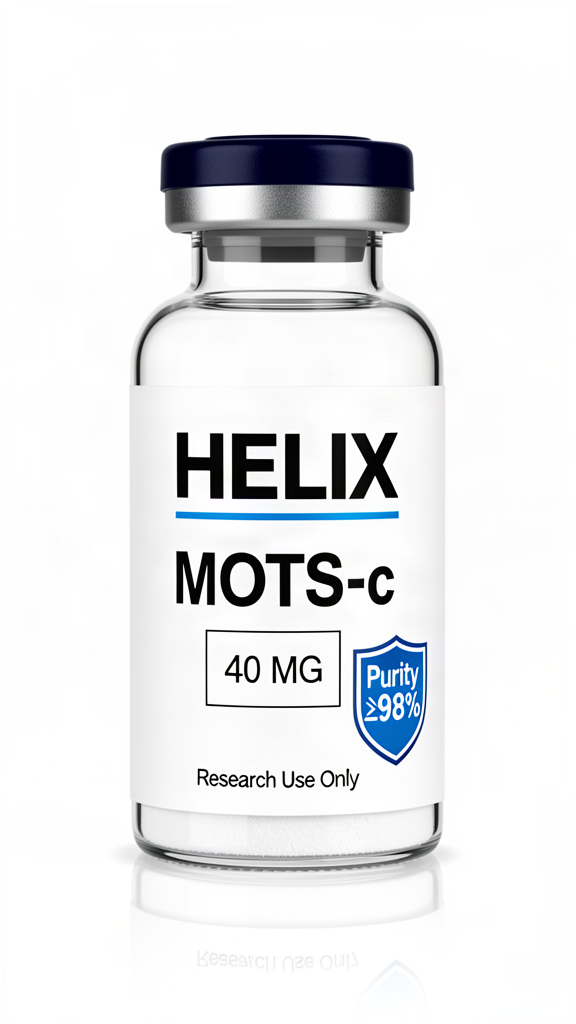
MOTS-c is a 16-amino-acid mitochondrial-derived peptide supplied as a characterized reference material for in-vitro mitochondrial-signaling and metabolic-pathway research. Research Use Only.
NAD+
Per-unit pricing · volume discounts at 3+ units · inquire for current availability
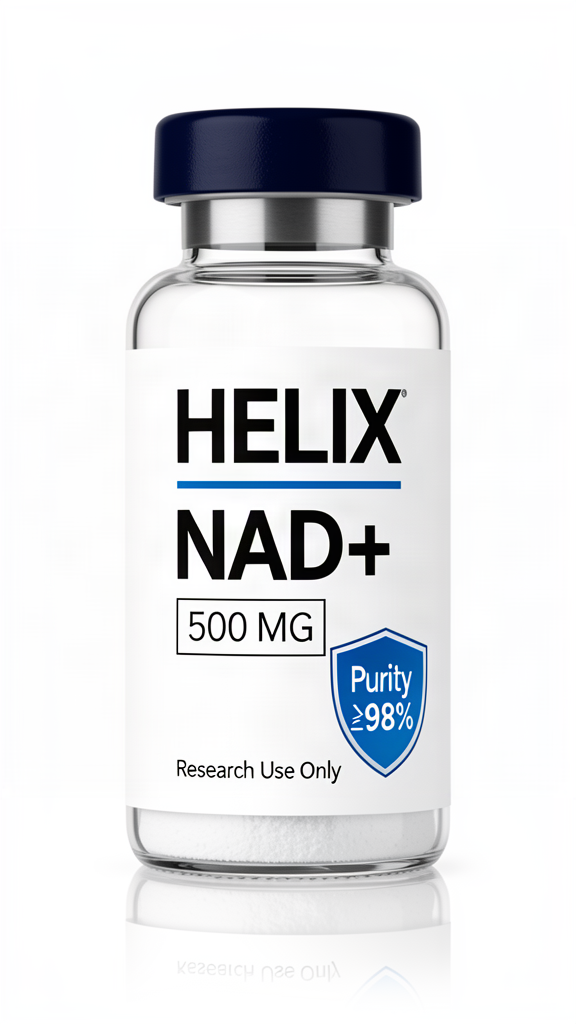
NAD+ (nicotinamide adenine dinucleotide) is a characterized dinucleotide cofactor reference material supplied for in-vitro studies of redox biochemistry and NAD-dependent enzyme systems. For research use only.
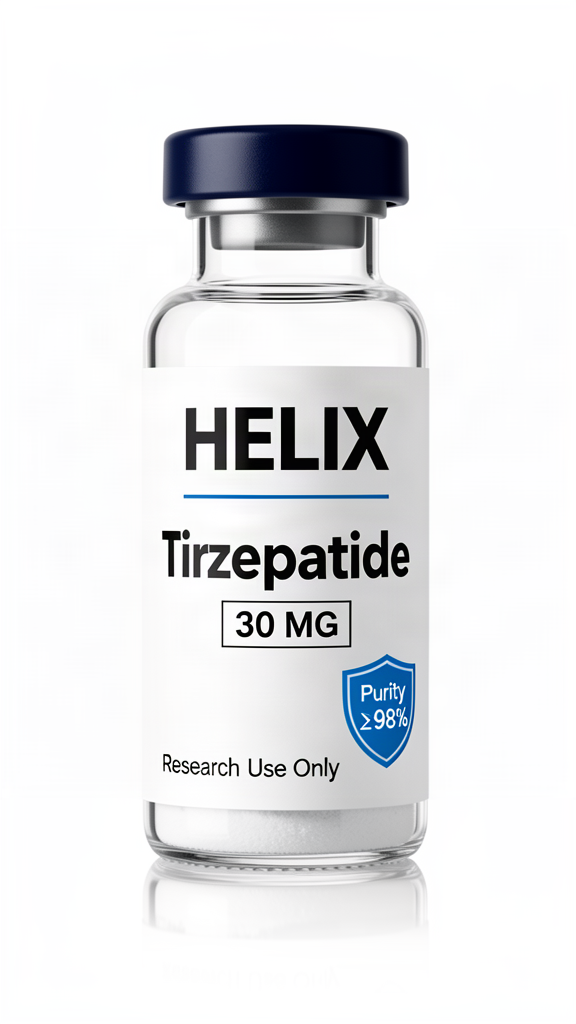
Tirzepatide
Per-unit pricing · volume discounts at 3+ units · inquire for current availability
Tirzepatide is a synthetic 39-residue lipidated dual GIP/GLP-1 receptor agonist peptide supplied as a characterized reference material for in-vitro receptor and analytical research. For Research Use Only. Not for human or veterinary use.
Research context and documentation
- Why researchers study it
- Studied as a central cellular redox-buffering tripeptide and enzyme cofactor, used as a reference standard in oxidative-stress and antioxidant-pathway research.
- Mechanism themes in research
- Substrate for glutathione peroxidase (GPx) enzyme systemsCofactor for glutathione-S-transferase (GST) conjugation reactionsReduced/oxidized (GSH/GSSG) redox-couple biochemistryNon-standard γ-glutamyl N-terminal linkage chemistry
- What the evidence does not establish
- Published references describe research context only. They do not establish safety, efficacy, biological activity, or any outcome in humans or animals, and HELIX BioScience makes no such claims.
- Quality markers
- ≥98% (HPLC)MS contextCOA statusStorage stated where verified
- Documentation status
- Product specifications and COA status are shown on this page. Current lot documentation is provided when issued and matched to the offered lot.
Reduced glutathione (GSH) is a well-characterized tripeptide-thiol reference material used in redox biochemistry, enzyme assays, oxidative-stress models, and GSH/GSSG measurement. This page explains the molecule’s research role and analytical context without making therapeutic claims.
Molecular identity
Reduced glutathione is a γ-glutamyl-cysteinyl-glycine tripeptide with a reactive cysteine thiol. It is commonly identified as GSH and is distinct from oxidized glutathione (GSSG), in which two GSH molecules form a disulfide. Researchers should specify the redox form, salt or counter-ion, purity method, and storage history when comparing standards or interpreting measurements.
Redox-buffering research
GSH participates in the cellular redox couple GSH/GSSG and is a substrate for glutathione peroxidase and glutathione-S-transferase systems. In cell-free work it can be used to test enzyme kinetics, peroxide reduction, thiol-disulfide exchange, and conjugation reactions. In cultured-cell studies, GSH measurements require careful control of extraction, oxidation during handling, normalization, and assay specificity.
| Full name | Glutathione, reduced (GSH; gamma-glutamyl-cysteinyl-glycine tripeptide) |
| Research theme | Mitochondrial & energy |
| CAS number | 70-18-8 |
| Molecular formula | C₁₀H₁₇N₃O₆S |
| Molecular weight | 307.32 g/mol |
| Purity | ≥98% (HPLC) |
| Physical form | Lyophilized powder |
| Storage | −20 °C, desiccated, protected from light |
Sequence
Reported research areas
- Cellular redox-buffering and oxidative-stress pathway research
- Substrate/cofactor studies for glutathione peroxidase and glutathione-S-transferase systems
- Non-standard γ-glutamyl linkage chemistry
- Analytical reference standard for identity and purity (HPLC/MS)
Credible sources
- PubChem — Glutathione
- PubMed — glutathione redox biochemistry
- PubMed — glutathione peroxidase and GST assays
COA status shown
Request the current documentation packet for the offered material. When available, it identifies the reported HPLC result and any identity method; public product specifications are not current lot results.
- HPLC result, when reported
- Identity method, when reported
- Appearance, molecular weight, and storage where documented
- Lot number and testing status
Specimen Certificate of Analysis
| Product | Glutathione (reference) |
| Status | Format preview — not a current lot |
| Purity (RP-HPLC) | 98%+ |
| Identity (MS) | Confirmed · 307.32 g/mol |
| Appearance | Lyophilized powder |
| Storage | −20 °C, desiccated |
Format preview only. Current lot records and measured results are not published here until supplied and verified.
Loading verified reviews…
Reviews come only from buyers we can match to a real order, and each is moderated before it appears. We never publish fabricated or incentivized reviews.